
How to Navigate Negative Culture Survey Results as a Leader
April 3, 2026
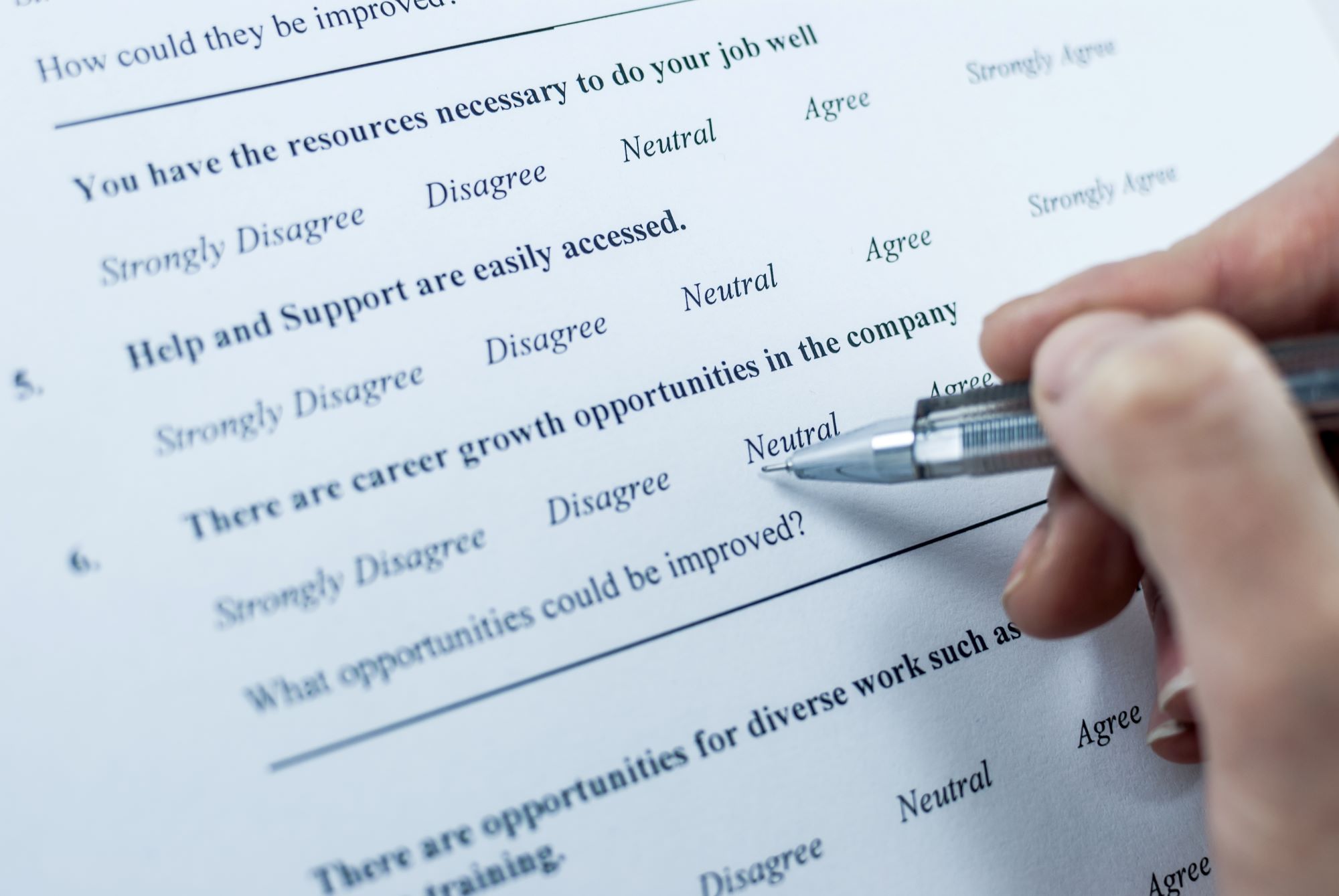
You probably didn’t expect the results to look like this.
Low engagement. Frustration in the comments. Maybe even direct criticism of leadership. It’s hard not to take it personally when you’ve invested time, energy, and care into your team, and now the data says that something isn’t working.
We’ve worked with many leadership teams who’ve been in this exact spot. Here’s what we can tell you: The ones who grow from it don’t ignore the feedback or rush to fix everything overnight. They slow down, get honest, and respond with intention.
In this article, we’ll explain how to interpret negative culture survey results, avoid common leadership mistakes, and turn tough feedback into progress your whole team can feel.
What Do Negative Culture Survey Results Mean for Your Organization?
First, take a deep breath. Negative results don’t mean your culture is broken beyond repair. They mean your people were honest. That is actually a positive signal! It tells you employees still believe their voices matter enough to speak up.
What the results really represent is a gap—a gap between how leadership thinks things are going and how employees experience them day to day.
Your job isn’t to defend that gap, but to understand it.
Why Did Our Survey Results Come Back So Poor? (Common Root Causes)
Most negative survey results don’t come from one big issue, but rather patterns that build over time. Here are the most common ones we see:
- Lack of communication. Employees feel left out of decisions or unclear about direction.
- Inconsistent leadership behaviors. Managers say one thing but act differently, or standards vary across teams.
- Low trust in leaders. People don’t believe feedback will lead to change.
- Burnout or workload issues. Teams feel stretched thin without support.
- No visible follow-through from past feedback. This is a big one. If employees shared concerns before and nothing changes, they may stop believing the process matters.
Think of it this way: If your results are negative, it’s rarely a surprise to employees. It’s often a surprise to leadership.
How Should Leaders Respond Immediately After Receiving Negative Survey Feedback?
Your first reaction can matter more than the results themselves. Before you say or do anything publicly, we recommend:
- Pausing and processing. Don’t react emotionally or defensively. Take time to understand what the data is saying.
- Looking for patterns, not outliers. Focus on repeated themes across teams and comments.
- Involving a small group of trusted leaders. Get multiple perspectives before forming conclusions.
- Committing to transparency early. Even if you don’t have answers yet, you need a plan to communicate soon.
Employees don’t always expect perfection. They value awareness and ownership.
What NOT to Do When You Get Bad Culture Survey Results (Mistakes That Break Trust)
This is where many leadership teams lose credibility without realizing it. Avoid these common mistakes.
- Dismissing the results. Saying “this doesn’t reflect reality” immediately shuts people down.
- Blaming employees or middle managers. This creates division and signals a lack of accountability.
- Overreacting with quick fixes. Rolling out rushed initiatives without fully understanding the problem often makes things worse.
- Going silent. If employees hear nothing after sharing feedback, trust drops fast. The fastest way to damage culture is to ask for feedback and then ignore it.
How to Communicate Negative Culture Survey Results to Your Team
Leaders often ask: “How much should we share?”
The answer is simple. Share a little more than what feels comfortable. Here’s what effective communication may look like:
- Acknowledge the results clearly. Say what you’re seeing without sugarcoating it.
- Own your role as a leadership team. Even if not every issue came from the top, accountability starts there.
- Avoid defensiveness or explanations too early. The moment is about listening, not justifying.
- Set expectations for what happens next. Employees want to know this won’t disappear.
Here’s a simple message structure that works well:
- Here’s what we heard
- Here’s what we’re taking seriously
- Here’s what we’re doing next
How to Identify the Most Important Issues in Your Culture Survey Data
Not every problem needs to be solved at once. Trying to fix everything is one of the fastest ways to stall progress. Instead, prioritize:
- Issues mentioned across multiple teams because these point to systemic challenges.
- Topics tied to trust and leadership. If trust is low, everything else becomes harder to fix.
- Areas impacting retention or performance. Focus where business and people impact overlap.
A good rule is to narrow down to 2-4 focus areas. That’s enough to create meaningful change without overwhelming the organization.
How to Turn Negative Employee Feedback into a Clear Action Plan
Here’s a simple framework for moving from insight to action.
- Define the problem early.
- Identify behaviors driving the problem.
- Choose specific and observable actions.
- Assign ownership.
- Set timelines and checkpoints.
Examples of Culture Improvement Actions at Work
Here are a few examples we’ve seen work consistently.
- Leadership visibility sessions like Q&As or town halls
- Manager training and alignment
- Clear communication rhythms (monthly or weekly updates)
- Feedback loops
- Workload or priority resets
How to Measure Progress After Acting on Culture Survey Results
You don’t have to wait for the next annual survey to know if things are improving. Look for leading indicators like:
- Participation in feedback sessions
- Employee questions and engagement
- Manager-employee communication frequency
- Turnover trends
- Informal feedback from teams
You could also run small pulse surveys to check progress on specific issues.
When Should You Run Your Next Culture Survey After Negative Results?
Most organizations run surveys annually, but after negative results, you may want to check in sooner. A good approach could look like running focused pulse surveys within 3-6 months and running a full survey at the 12-month mark.
Do You Need Outside Help to Fix Culture Issues?
Some leadership teams can navigate this internally. Others benefit from an outside perspective. You might consider external help if:
- Trust in leadership is very low
- You’re struggling to interpret the data
- There’s misalignment within the leadership team
- You need facilitation for tough conversations
Remember—an outside partner can bring objectivity and experience, but they can’t replace leadership ownership. That work still has to be done internally.
Turn Negative Culture Survey Results into Positive Outcomes
Negative culture survey results can feel discouraging, but they’re one of the most valuable leadership tools you have. They give you a clear, honest view of what your people are experiencing every day. And more importantly, they give you a starting point.
What separates strong organizations from struggling ones isn’t whether they get negative feedback, but how they respond to it. If you slow down, listen well, communicate openly, and follow through consistently, you can rebuild trust and create meaningful change.
If you’re not sure where to start or want support guiding your leadership team through the process, we offer facilitation and post-survey support related to culture surveys. From helping you interpret results to guiding leadership conversations and building action plans, we can help you ensure feedback leads to progress.
Contact us online to get started.
Written By:

Leading by DESIGN
Communications Team
Get Insights Delivered Straight to Your Inbox
Subscribe to our newsletter to receive monthly leadership, business strategy, and team building resources.
